 Help
Help
Written by Mariia Roza
Mariia Roza is a weight loss and fitness writer at Unimeal. She is an expert in nutrition, wellness, longevity, and sports.
Medically reviewed by Dr. Olena Avdiievska, MD, RDN
Dr. Olena Avdiievska is a nutritional and medical expert at Unimeal. She is an MD and RDN in Dietology and nutrition and a university professor with 76 scientific publications.
Remember how Elizabeth from Eat. Pray. Love has gained a couple of pounds while eating in Italy? And even with this tremendous example of fattening features of Italian cuisine, there are still scientists who state that you can lose weight on the Mediterranean diet?
Check out how you can enjoy Italian, Tunisian, French, and Spanish meals that are high in fat, drink wine, and still lose weight!
Eat tasty food and lose weight with Unimeal app!
Take a Quiz – Get personal meal plan – Achieve your weight goals!
Start Quiz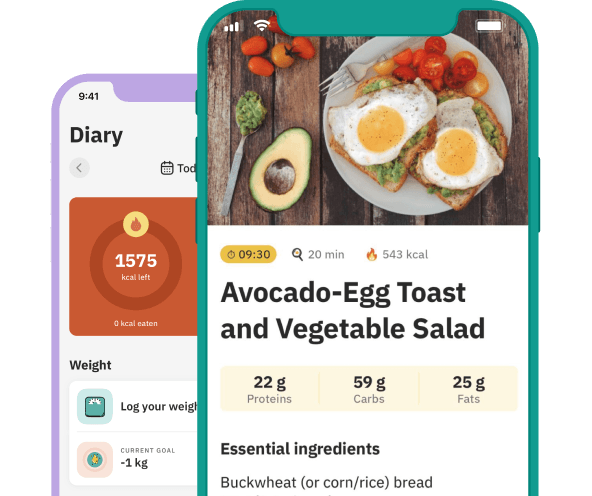
The Mediterranean diet is an eating pattern that was formed on the basis of cooking traditions of the European countries of the Mediterranean coast, namely Italy, south of France, Greece, and Spain. Fun enough that during the economic elevation of the 60s and 70s, it was forsaken as it seemed to be too poor and primitive compared to the American cuisine, rich in protein and fat.
When we describe Mediterranean cuisine, we usually speak of the so-called Mediterranean triad: Olive, wheat, and grape, meaning oil, bread, and wine. When it comes to the Mediterranean diet, though, the basics are not precisely the same.
For example, unlike the diet, Mediterranean cuisine applies lard and butter and offers more poultry and red meat. In the diet, though, these products should be consumed in moderation. When it comes to pasta, lasagna, gelato, and pizza, the dieter should also apply portion size control.
The Mediterranean diet regained its popularity in the 90s. It all began with the Seven Nation Study conducted by the American physiologist Ancel Keys, who decided to prove the connection between cardiovascular disease among wealthy Americans of 45-55 years and their diet. After several cohort studies1Keys A., Taylor H. L., Blackburn H., et al. (1963, September 1). Coronary Heart Disease among Minnesota Business and Professional Men Followed Fifteen Years. Circulation. DOI:10.1161/01.CIR.28.3.381, in 1956, he started a survey that took almost 50 years and covered seven countries: United States, Italy, Greece, Finland, Japan, former Yugoslavia, and the Netherlands. This research has shown that the death rate from coronary diseases in the United States and Northern Europe was higher2Menotti A., Keys A., Aravanis C., et al. (1988, November 17). Seven Countries Study. First 20-Year Mortality Data in 12 Cohorts of Six Countries. Annals of Medicine. DOI:10.3109/07853898909149929 than in Southern European countries.
Ancel Keys decided that the reason behind these phenomena lay in the lifestyle differences of the researched countries, namely in their traditional diets. After multiple studies, the Mediterranean diet was officially renowned as one of the healthiest eating systems overall and the healthiest diet3Franquesa M., Pujol-Busquets G., García-Fernández E., et al. (2019, March 18). Mediterranean Diet and Cardiodiabesity: A Systematic Review through Evidence-Based Answers to Key Clinical Questions. Nutrients. DOI:10.3390/nu11030655 to prevent cardiovascular disease and diabetes.
There is no secret behind the Mediterranean diet. Though it’s not the same as Mediterranean cuisine, the diet is still based on traditional eating patterns.
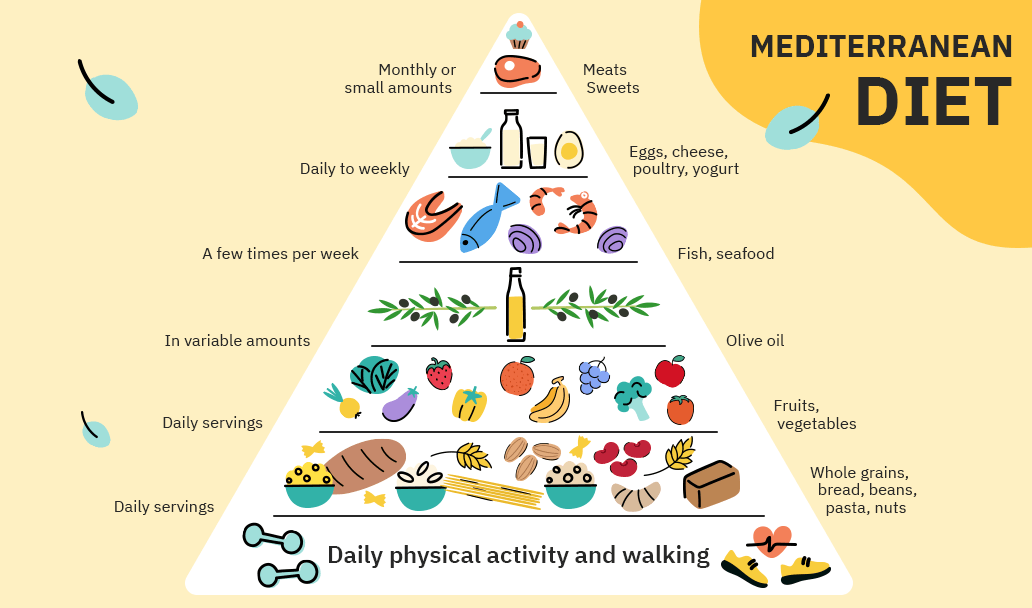
The Mediterranean lifestyle is not only about food. It’s about using local fruits and vegetables when they’re ripe and staying physically active. It’s about sharing your food with people you love and loving what you eat.
Share your food, and don’t rush. One of the traditional Mediterranean sayings goes: share your meal with family and friends. The true secret of the Mediterranean way of living is finding the right balance between one’s job, leisure, tasty food, and socializing with friends. This is the skill of enjoying life and finding pleasure in simple things.
Cook slowly and eat even slowlier. Don’t hurry and enjoy the way your food looks, smells, and tastes. Make stews and eat as many vegetables as possible, adding them everywhere you can.
Don’t count calories. The Mediterranean diet doesn’t provide recommendations on calorie intake. However, you should consume as much as you burn if you want to maintain your weight and be in a caloric deficit if you’re going to lose weight. Mediterranean diet doesn’t offer you to count calories as this might increase pressure in your diet, while the Mediterranean lifestyle is about managing and avoiding stress.
Breakfast: Shakshuka
Lunch: Tomatoes with rice and potatoes
Dinner: Shrimp and grapefruit salad
Breakfast: Avocado and tofu lavash rolls
Lunch: Lentils and tomato soup
Dinner: Tuna with cauliflower puree
Breakfast: Banana oat pancakes with peanut butter
Lunch: Vegetable stew
Dinner: Frittata with broccoli and mushroom
Breakfast: Poached egg and chicken toast
Lunch: Pasta with grilled sea bass
Dinner: Hot beans
Breakfast: Salmon and egg on toast
Lunch: Wild rice with chicken and veggies
Dinner: Braised octopus
Breakfast: Bulgur with poppy seeds and raisins
Lunch: Stuffed lemons
Dinner: Grilled dorado with vegetable sticks and hummus
Breakfast: Green roll with tuna and avocado
Lunch: Bouillabaisse
Dinner: Tuna and potato casserole
Try some of these authentic recipes right away! And don’t forget to share these meals with people you love.
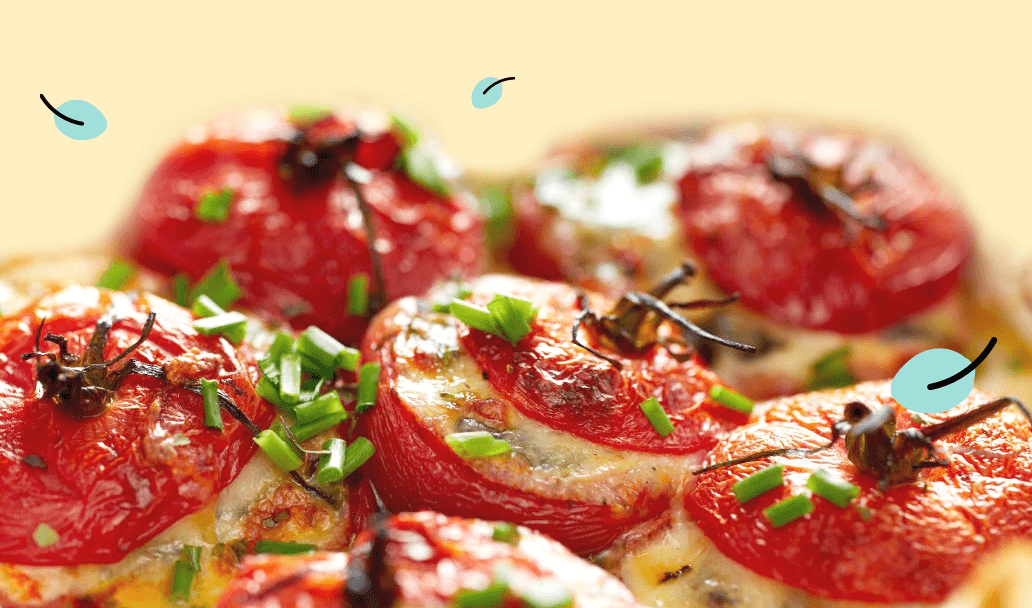
Tomatoes, stuffed with rice and mint, baked in the oven are among the most popular summer dishes in Italy. They’re delicious, both hot and cold.
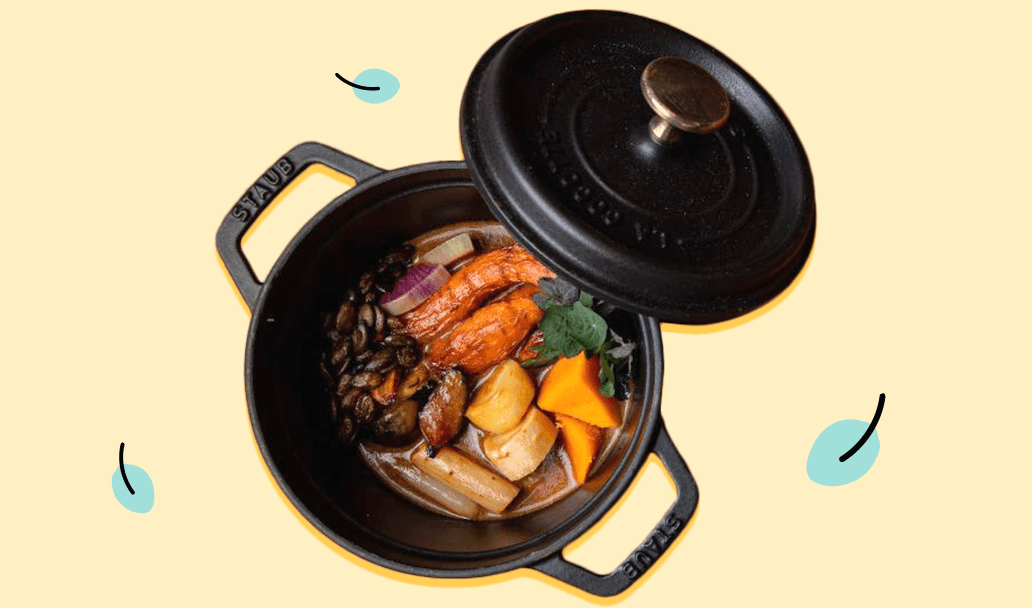
You will find a vegetable stew in every Mediterranean country! In France, there is ratatouille, Italians have ciambotta or caponata, and in Spain, there is pisto manchego. People cook it in winter and summer, they eat it cool and hot, they put different vegetables into it depending on the season, and these all make pisto manchego a truly one-size-fits-all dish.
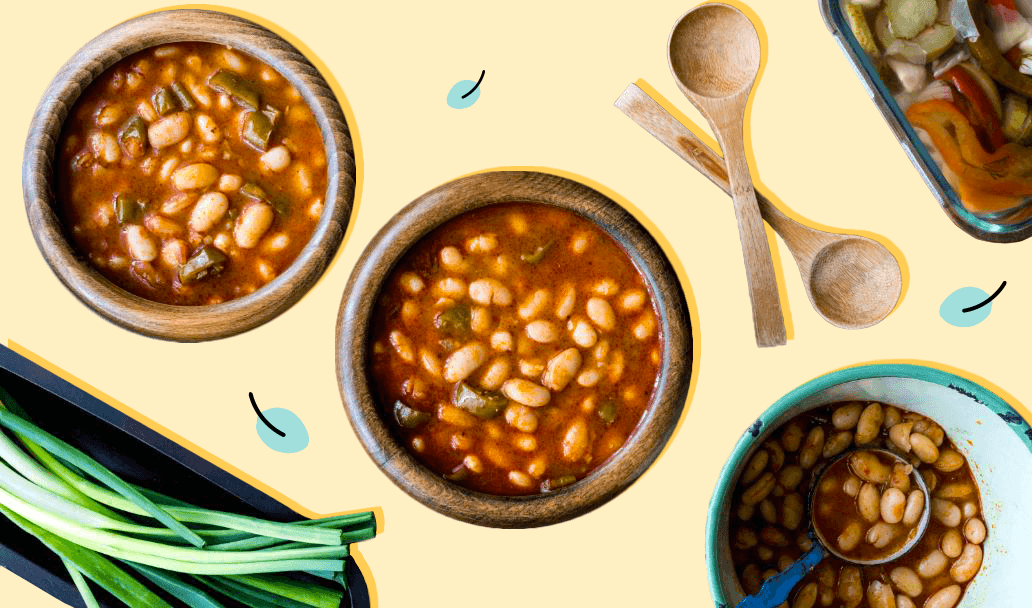
Beans are traditionally served as a snack in any restaurant in Malta. They can be spicy or not. Sometimes they add cumin to the dressing or opt for the traditional trio of oil, salt, and black pepper. Beans are squashed into thick dip sauces and served with toasted bread. In general, beans are a must on every table!
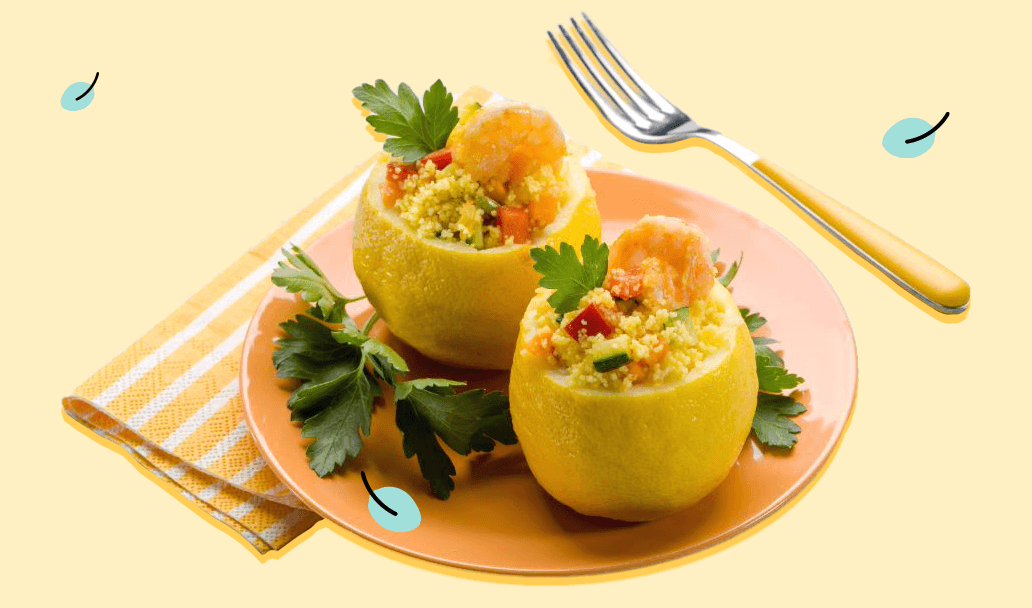
This starter is a good choice both for a family lunch and for a party with friends. If lemons are not too sour, you can add some of them into the filling.
For the lemon mayo:
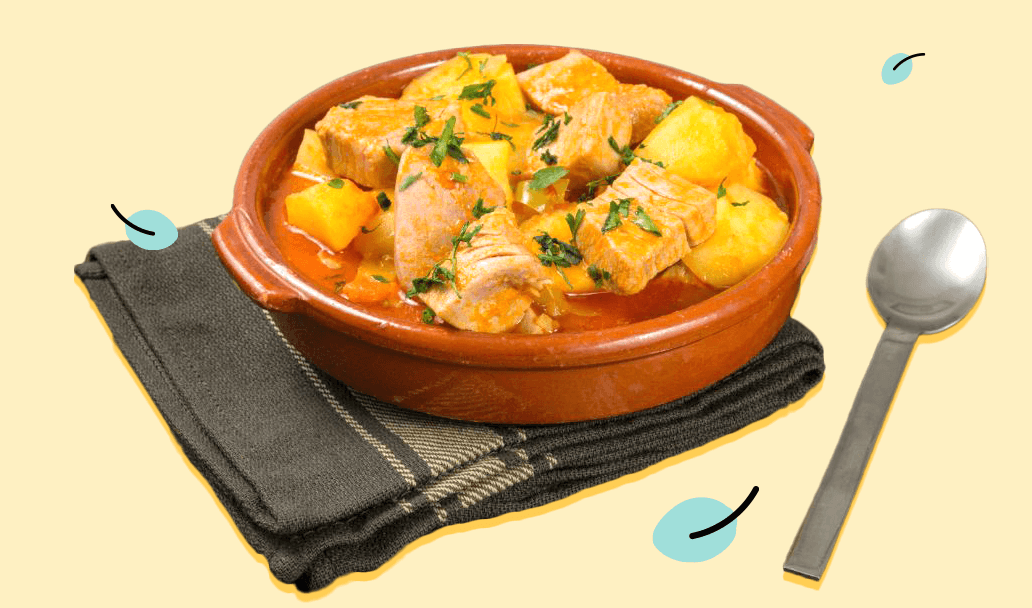
Tuna is often called a “sea beefsteak,” and it does taste more like meat and not fish in this dish. This dish is prepared throughout Portugal, but it is usually advised to try it in Tavira, known as the capital of tuna. Many cafes there specialize in cooking this particular fish.
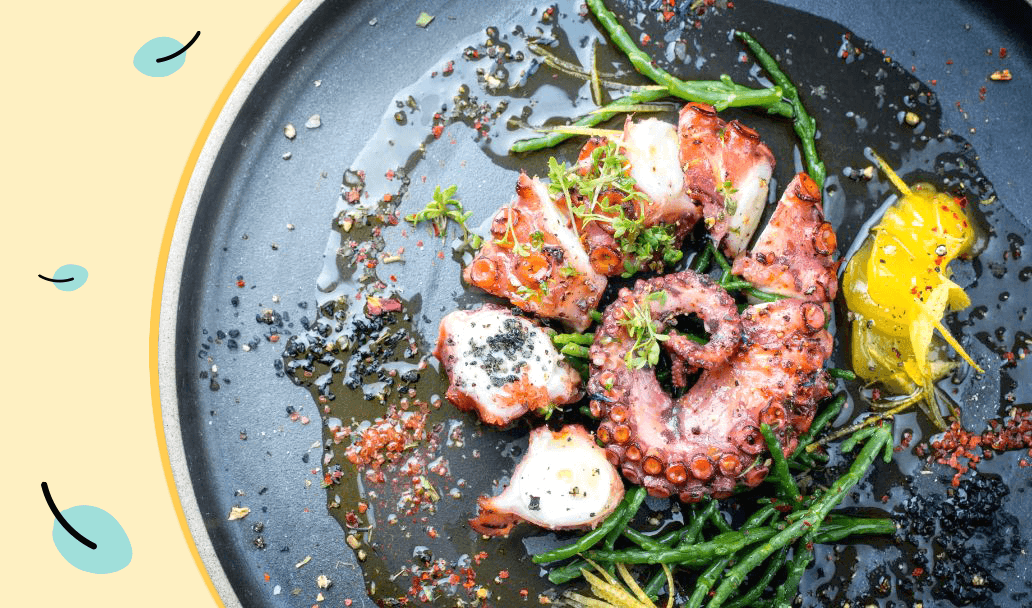
Greece has more than 3,000 islands, surrounded by the clear waters of the Aegean Sea. Could it be possible for the Greek table to be fish and seafood-free? Young small octopuses are usually fried on a wire rack, but large ones are boiled and added to salads and stewed over low heat in oil with wine, vinegar, and tomatoes.
Need more personalized recipes? Check out our Quiz and get a meal plan composed according to your preferences and goals. Enjoy your food, learn how to cook, and find out more about healthy eating with Unimeal.
Unimeal does not diagnose or suggest treatments. Any description of the diet, training plan or supplement should be discussed with your current physician or nutritionist. This article does not address specific conditions and is simply meant to provide general information on healthcare topics. Following any advice is at your own initiative and does not impose any responsibility on the blog authors for your health and safety.
Sources:
By choosing high-quality sources, we make sure that all articles on the Unimeal blog are reliable and trustworthy. Learn more about our editorial processes.
1.
2.
3.
Related Articles