 Help
Help
Written by Ievgeniia Dobrynina
Ievgeniia Dobrynina is the Head of Nutrition and a fact checker at Unimeal.

Medically reviewed by Dr. Olena Avdiievska, MD, RDN
Dr. Olena Avdiievska is a nutritional and medical expert at Unimeal. She is an MD and RDN in Dietology and nutrition and a university professor with 76 scientific publications.
Find out in which products they can be found and how you should inspect your food to avoid them.
Aflatoxins are poisonous substances that belong to the mycotoxins group. They are formed by several types of mold. Occurring naturally all over the world, these fungi can contaminate crops and pose a serious threat to the health and lives of humans and animals.
Eat tasty food and lose weight with Unimeal app!
Take a Quiz – Get personal meal plan – Achieve your weight goals!
Start Quiz
There are over 14 varieties of aflatoxins, and four of them (B1, B2, G1, and G2) are especially dangerous. What is worse, aflatoxins can contaminate(2) all major types of crops.
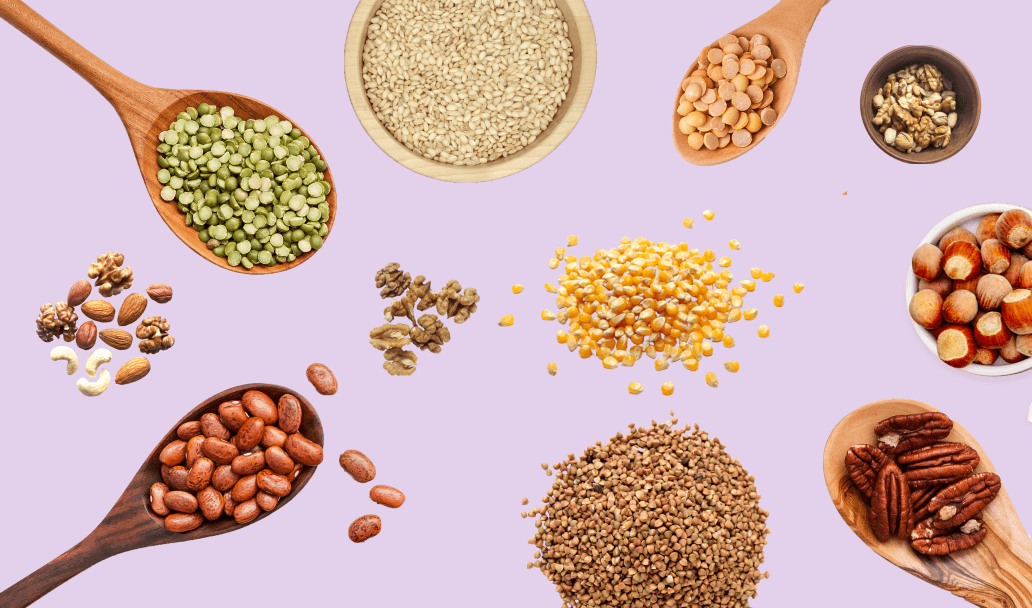
Humans are primarily exposed to aflatoxins through contaminated nuts, cereals (such as corn and rice), dried fruits, and spices. Aflatoxin M1 (derived from aflatoxin B1 metabolism) can even be found in milk, notably in areas with aflatoxin-infested grains.
People who have been exposed to aflatoxins for a prolonged time can face severe consequences(3) for their health.
Aflatoxins are hazardous, but you can reduce your risks by following four simple rules:
Sources
Unimeal does not diagnose or suggest treatments. Any description of the diet, training plan or supplement should be discussed with your current physician or nutritionist. This article does not address specific conditions and is simply meant to provide general information on healthcare topics. Following any advice is at your own initiative and does not impose any responsibility on the blog authors for your health and safety.
Related Articles